CEO

What we keep hearing from businesses is that phishing emails are getting harder to spot, even for experienced teams. One wrong click can put your company’s data at risk.
"Phishing examples show just how creative attackers have become in tricking people into sharing sensitive information."
Industry research shows that most organizations underestimate how often phishing attempts reach employee inboxes. Phishing scams are not just about fake emails—they can target anyone, from entry-level staff to executives, and use many different tactics to gain access to personal information. Understanding real phishing examples is the first step to protecting your business from these threats. When you know what to look for, you can help prevent a phishing attack from causing damage.
Phishing examples are real-world cases where attackers try to trick people into giving up credentials or other sensitive data. These examples help you see how phishing attacks work and why they are so dangerous. Attackers often impersonate trusted contacts or companies, making it easy for anyone to fall for a scam.
By studying phishing examples, you can learn how to spot phishing emails and avoid common traps. This knowledge is key for businesses that want to keep their information safe and avoid costly mistakes. It’s not just about email—phishing can happen through text messages, phone calls, or even fake websites. Knowing what to watch for is your best defense.

Attackers use many tactics to launch a phishing attack. Here are some of the most common ways they target businesses:
Attackers often send emails that look urgent, like a request from your boss or IT team. These messages pressure you to act quickly, hoping you won’t double-check the details. Always pause and verify before responding to any urgent request for personal information.
Many phishing emails include links that lead to fake login pages or malicious downloads. If you click these links, you might give away your credentials or download malware. Hover over links to check where they lead, and never enter your password on a site you don’t recognize.
Phishing emails sometimes have attachments that look like invoices or reports. Opening these files can install malware or ransomware on your device. Only open attachments from people you trust, and confirm with the sender if you’re not sure.
Attackers often use email addresses or website URLs that look almost right, but have small differences. Look closely for misspellings or odd characters. These small details can help you identify phishing attempts.
Some phishing scams ask you to reply with sensitive information, like passwords or account numbers. Legitimate companies will never ask for this by email. If you get a request like this, report phishing to your IT team right away.
Phishing websites are designed to look like real login pages. If you enter your credentials, the attacker can gain access to your accounts. Always check the website address before logging in.
Phishing isn’t limited to email. Attackers also use text messages to trick people into clicking links or sharing information. Be just as cautious with texts as you are with emails.
A good phishing defense includes several important features:
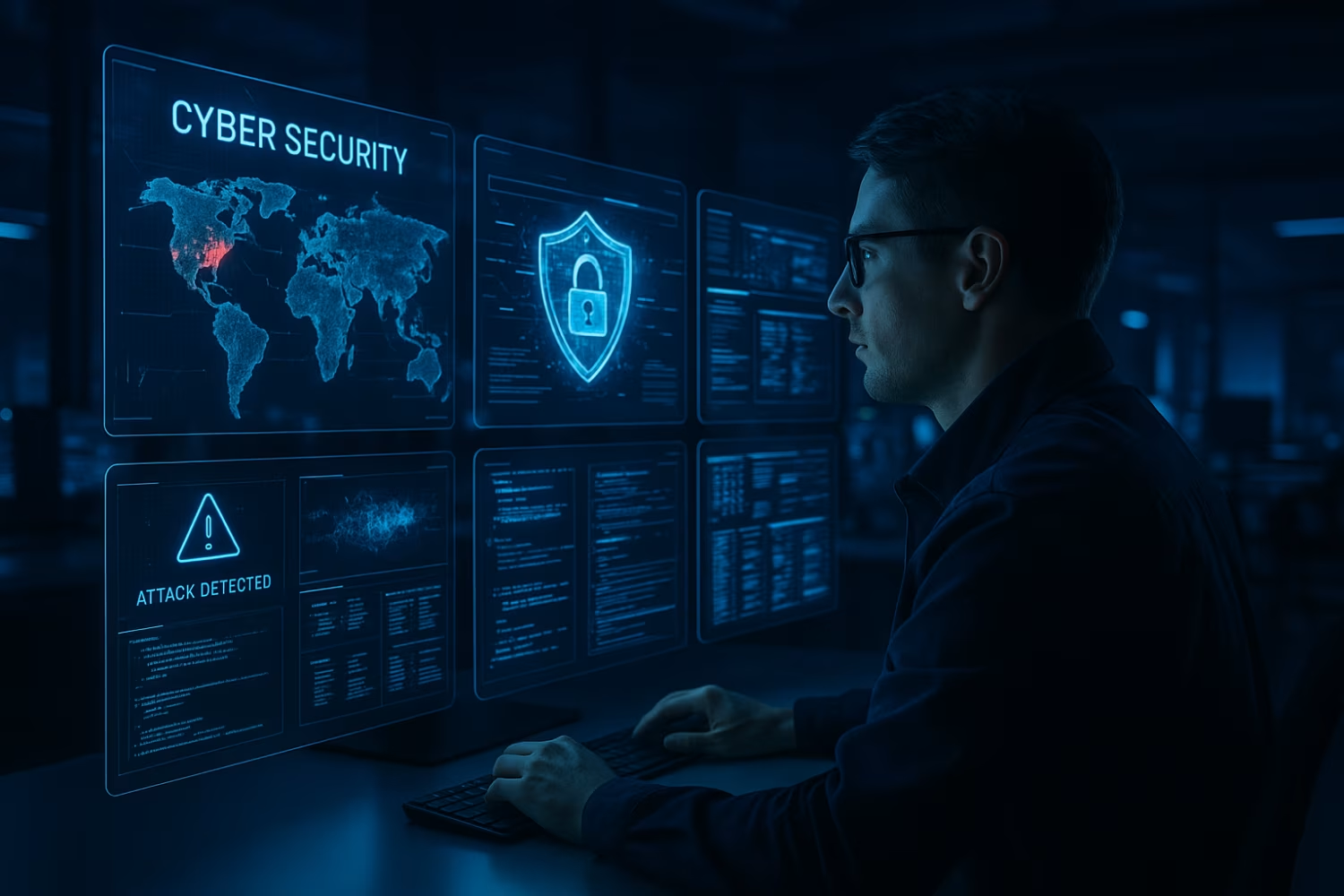
Looking at phishing examples gives you a clear picture of how attackers operate. These real cases show the variety of phishing techniques, from fake invoices to messages that impersonate company leaders. By studying these examples, you can spot patterns and avoid falling for similar scams.
Many phishing attacks use social engineering, which means they play on emotions like fear or curiosity. For example, you might get an email saying your account will be closed unless you act now. Recognizing these tactics helps you stay calm and make safer choices. The more you know about phishing examples, the better you can protect your business.
Phishing examples also highlight the importance of regular training. When employees see real phishing emails, they become more skilled at spotting suspicious messages. This is especially important for businesses with many users or those handling sensitive customer data.
Phishing attacks come in many forms. Here are some of the most common types and how they work:
This is the most common type of phishing attack. Attackers send emails that look like they’re from trusted sources, hoping you’ll click a link or share information. These emails often use urgent language and fake company logos.
Spear phishing targets specific people or companies. Attackers research their targets to make the message more convincing. These emails might mention real projects or coworkers to trick you into responding.
Whaling targets high-level executives or decision-makers. The attacker impersonates someone important and asks for sensitive information or large payments. These attacks can be very costly if successful.
Smishing uses text messages instead of email. The attacker sends a message with a link or request for information. These messages often claim to be from banks or delivery services.
Vishing is phishing by phone. The attacker calls and pretends to be from IT, a bank, or another trusted group. They try to get you to share passwords or other sensitive details.
In clone phishing, the attacker copies a real email you’ve received before, but changes the link or attachment to something malicious. This makes the message look very convincing.
BEC attacks involve hacking or impersonating a real business email account. The attacker sends messages to employees or partners, often asking for payments or sensitive data.
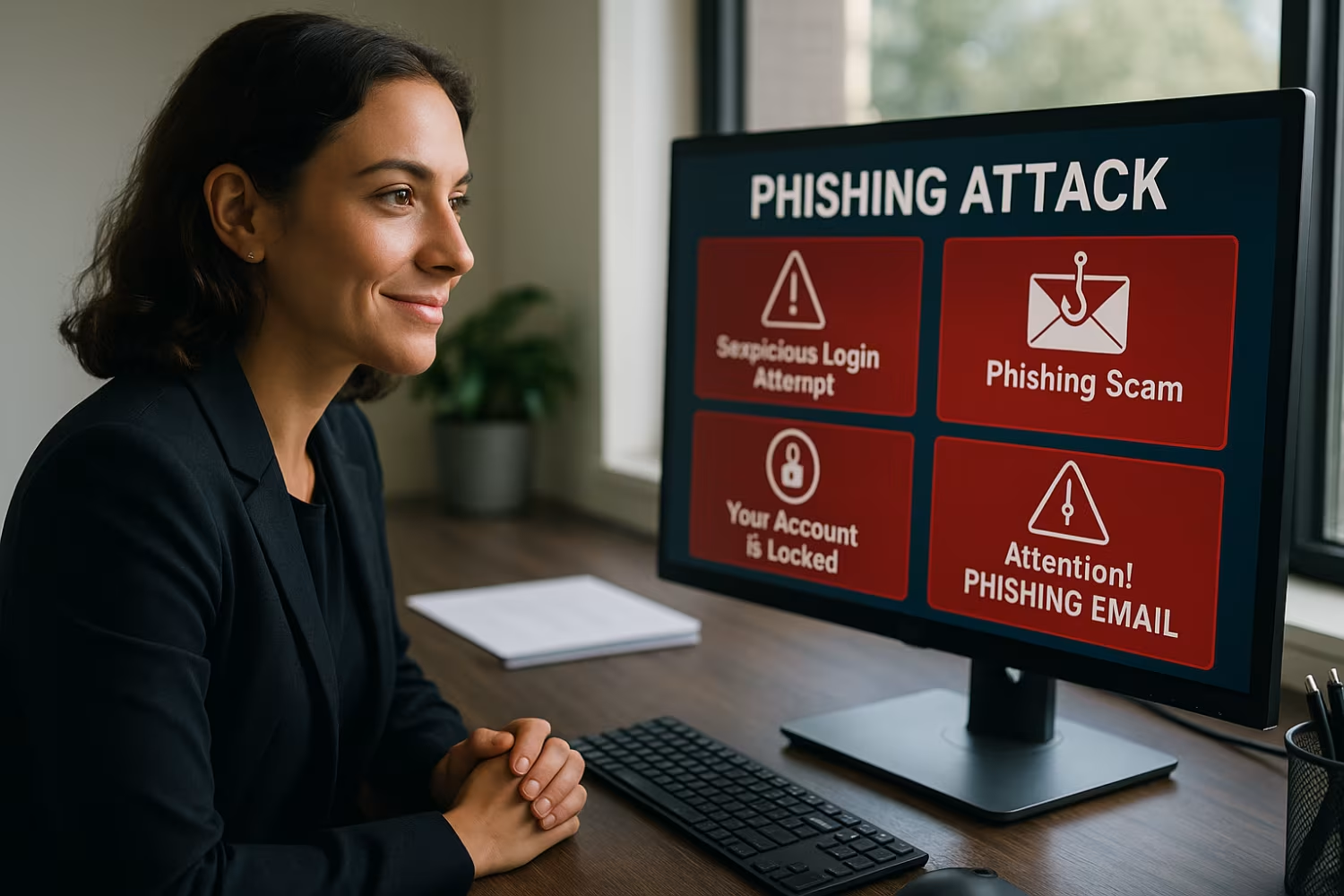
Protecting your business from phishing attacks takes more than just good software. You need a plan that covers people, processes, and technology. Start by training your team on how to spot phishing emails and what to do if they see something suspicious.
Set up clear rules for handling sensitive information, like never sharing passwords by email. Use strong passwords and multi-factor authentication to make it harder for attackers to gain access. Regularly review your security policies and update them as new threats appear.
Encourage everyone to report phishing attempts right away. The faster you respond, the less damage an attacker can do. Work with your IT provider to keep your systems up to date and test your defenses with simulated phishing campaigns.
To stay safe from phishing scams, follow these best practices:
Following these steps can help your business avoid costly mistakes and keep your information secure.

Are you an auto dealership or business with 20 or more users looking to improve your security? If your team is growing and you want to stay ahead of phishing threats, we can help you build reliable systems that protect your data and reputation.
We know how damaging a single phishing attack can be. Our team at Shartega IT specializes in helping businesses like yours spot phishing emails, train employees, and set up strong defenses. Contact us to learn how we can support your business and keep your information safe.
Look for signs like unfamiliar sender addresses, urgent requests, and links that don’t match the real company website. Phishing scams often use these tricks to get your attention. Hover over links and check for small spelling errors or odd URLs before clicking anything.
If you’re unsure, don’t respond or download attachments. Report phishing emails to your IT team so they can investigate. Being cautious can help you avoid falling for a phishing attack and protect your credentials.
If you think you’ve clicked a phishing link or shared sensitive information, act fast. Change your passwords right away and let your IT department know what happened. Quick action can limit the damage from a phishing campaign.
Your IT team may need to scan your device for malware or other threats. They can also help you secure your accounts and prevent future phishing attempts. Don’t be embarrassed—these attacks are common, and reporting them helps everyone stay safer.
Businesses can prevent phishing attacks by training employees to spot suspicious emails and setting up strong security policies. Use multi-factor authentication to protect important accounts and keep your software updated.
Regularly test your team with simulated phishing emails to keep everyone alert. Encourage employees to report phishing attempts quickly, and have a clear process for handling these reports. Prevention is a team effort.
Attackers target businesses because they often handle valuable personal information and financial data. A successful phishing scam can give attackers access to sensitive systems or money.
Businesses are also targeted because employees may be busy and less likely to notice a suspicious message. Attackers use social engineering to exploit this and increase their chances of success.
Credentials are your usernames and passwords for logging into systems and accounts. Attackers want these so they can gain access to your company’s data or resources.
If an attacker gets your credentials, they might impersonate you or move deeper into your network. Protecting your credentials is key to keeping your business safe from scams.
Most companies have a process for reporting phishing attempts, usually through IT or a security team. If you see a suspicious email, forward it to the right contact and don’t click any links.
Reporting phishing quickly helps your company respond and warn others. It also helps IT teams spot new phishing techniques and improve defenses.