CEO

Vendors often base future software contract prices on your reported usage history, so inflated license data can quietly drive up renewal costs over time. If you never correct your records, you may end up with worse terms every year without realizing the cause. This cycle can continue unnoticed, steadily increasing your software spend.
Picture a mid-size company renewing its software contract this year, only to find the price has jumped again, with no new hires and no new projects to explain it. The cause often sits quietly in the usage data behind the scenes.
That gap between what gets reported and what actually gets used is where software license management starts to matter. A small error in tracking or reporting usage can ripple through an entire IT budget, and once it's embedded in the numbers, it tends to stay there. If your usage records are off, even by a little, you could be setting yourself up for higher renewal prices down the line.
Beyond compliance, software license management is really the discipline of keeping accurate records of what you use, what you need, and what you pay for. Get that right, and surprises become rare and costs stay in your control. Get it wrong, and the next renewal is built on a number that was never true to begin with.
So if your software renewals keep getting more expensive for no reason you can name, the answer might be hiding in your own data.

A few extra licenses here and there might look harmless enough to ignore. Yet once usage data drifts even slightly from reality, the effect doesn't stay small - it compounds.
Most software vendors set the baseline for future contracts using your reported usage history. So if your records show more licenses in use than you actually need, the next renewal gets priced for that inflated number, and you end up paying for software nobody is touching.
From there, the problem feeds itself. Each year's renewal is built on the previous year's inflated numbers, and without a correction, the cycle just keeps resetting at a higher cost - often with no obvious trigger a business could point to.
The damage isn't confined to the budget line, either. It reaches into how a company plans for growth, allocates resources, and decides when to invest in new technology. The impact is real even when it stays invisible at first glance.
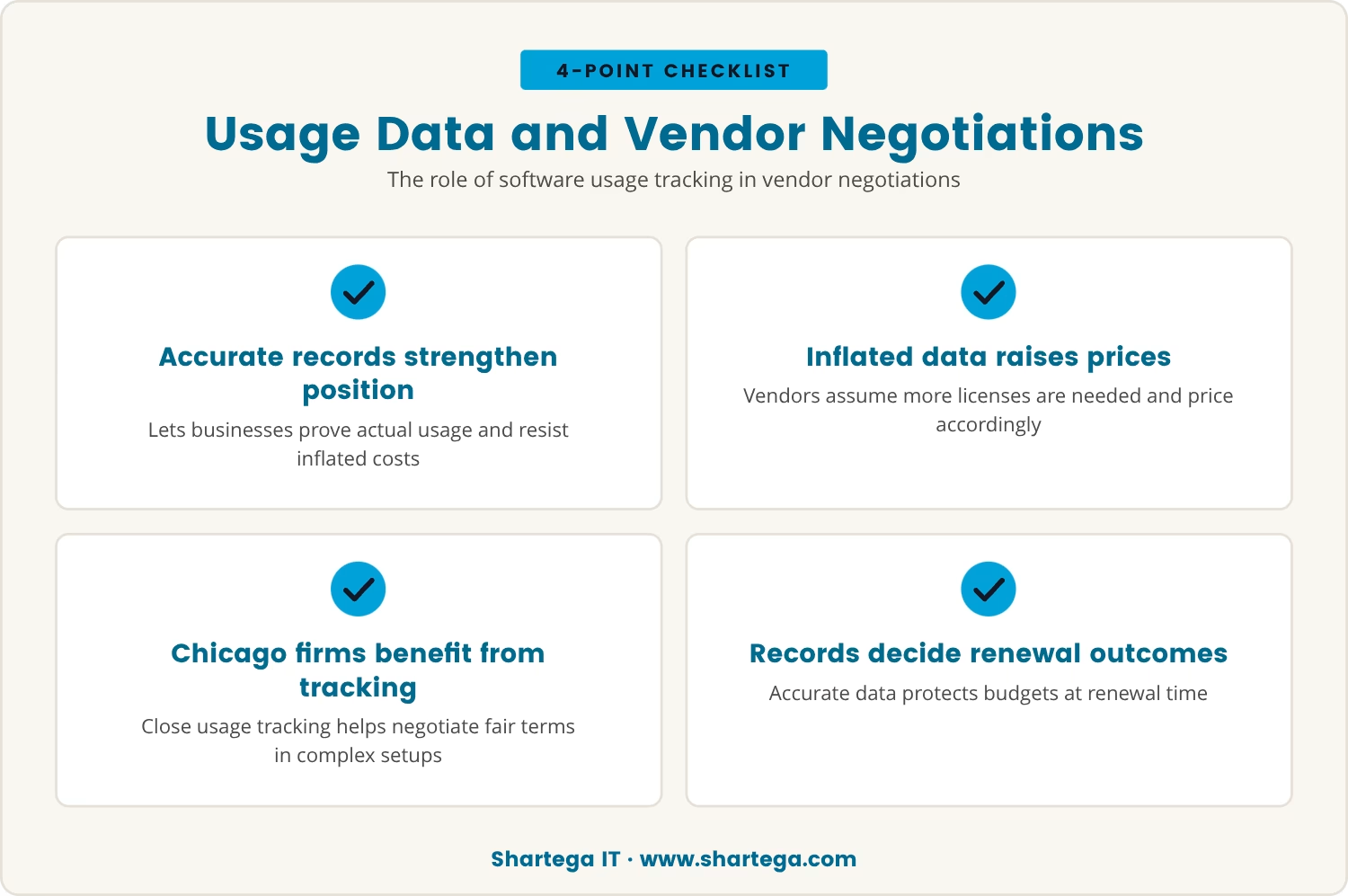
Usage data carries real weight in vendor negotiations, since it's the evidence vendors lean on to decide what terms to offer and how much to charge.
Accurate records put a business in a strong position - able to show exactly what's in use and push back against costs that don't match reality. Inflated data does the opposite: it hands vendors a reason to assume more licenses are needed than actually are, and the contract gets priced to match that assumption.
In Chicago, where many businesses operate complex, layered software environments, this distinction tends to show up clearly. Local companies that keep close tabs on their software usage are often better positioned to negotiate fair terms, simply because their numbers hold up under scrutiny.
That leaves the renewal outcome resting on something fully within a business's own control: its own records either support a fair deal or quietly work against one. Keeping them accurate remains one of the simplest ways to protect the budget.
Software license management isn't just a compliance exercise - it's a lever on IT spend over time.
Careful management means not paying for licenses that sit unused, so renewal costs end up reflecting actual need rather than whatever the records happen to show. That distinction is easy to miss when the focus stays narrowly on passing audits.
Many businesses chase compliance and overlook the bigger pattern sitting right behind it: accurate license management is what keeps costs predictable and negotiations fair. Without that accuracy, even clean audits can mask a budget that's quietly bleeding money.
For any business that hasn't reviewed its license records recently, now is a reasonable time to start - a small correction now can change the shape of the next renewal entirely.
Every renewal takes its shape from the usage data that came before it. When that data is wrong, the terms built on it are wrong too, and the cycle just keeps running until something interrupts it.
Here is how that cycle plays out, step by step.
Reporting more licenses in use than actually needed pushes the vendor to set the renewal price against that inflated number. That number then becomes the new baseline for every contract that follows.
Vendors price future terms off past usage, so inflated records translate directly into lost bargaining power. The result is a contract priced higher than actual need justifies.
Each renewal is built on the last, which means an uncorrected error doesn't stay an error - it becomes the new standard. Costs then climb year after year on that same flawed foundation.
Skip the regular audits and small errors quietly stack on top of each other. Across several renewal cycles, that stacking can turn into spending far beyond what was ever necessary.
Because these increases arrive gradually rather than all at once, many businesses don't notice until the total becomes hard to ignore. By then, unwinding the problem takes considerably more effort than catching it early would have.
Overpaying rarely announces itself outright, so it helps to know the warning signs to watch for:
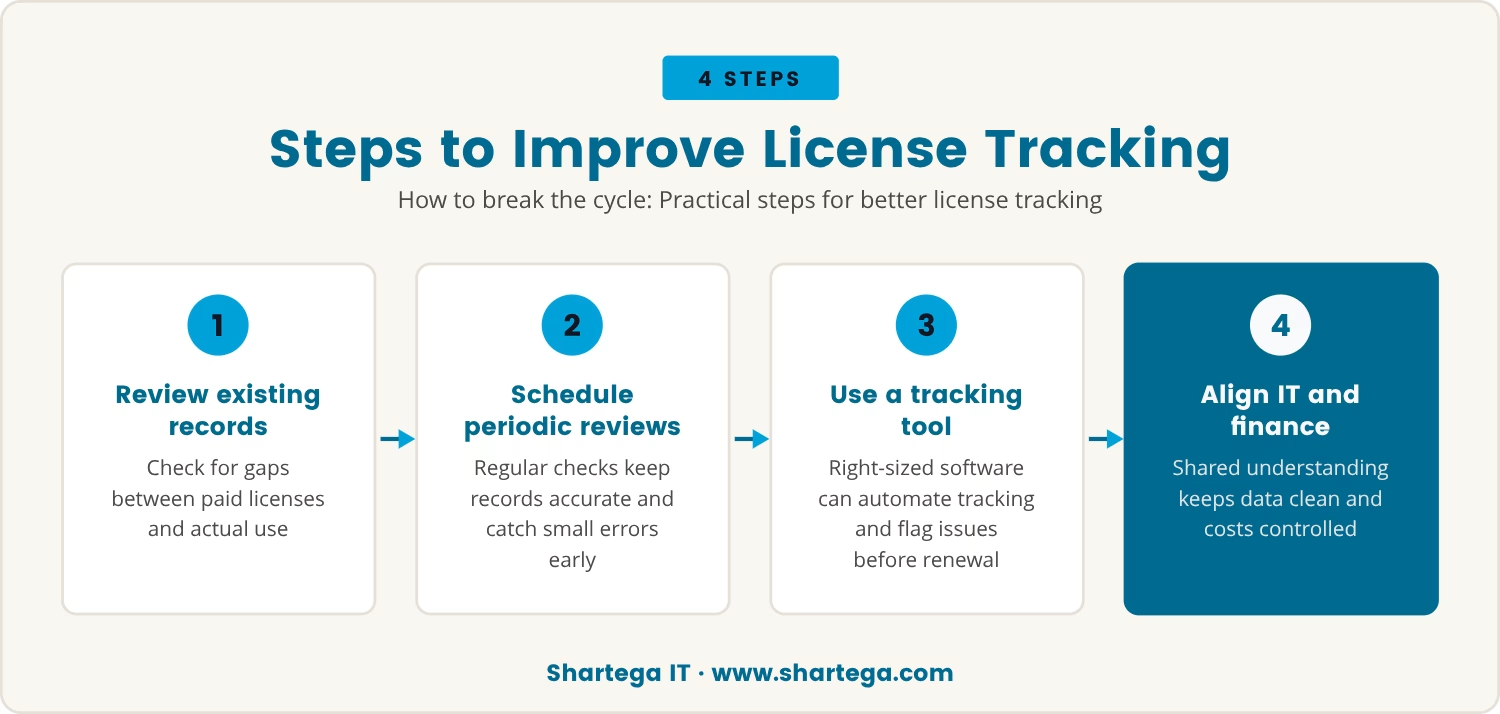
Breaking this cycle doesn't require a complete overhaul - just a more deliberate approach to tracking and managing licenses.
Start with the records already on hand: review them for discrepancies between what's being paid for and what's actually in use, which can be as straightforward as running a report from a license manager or asset management system.
Once that review is done, put a regular check in place. Scheduling periodic reviews keeps records accurate on an ongoing basis and catches errors while they're still small, before they turn costly.
A software license management tool suited to the business's size can take over much of this work, automating the tracking and flagging potential issues before they reach the next renewal.
None of it holds together, though, without IT and finance working from the same picture - once both teams understand what's at stake, keeping the data clean and the costs controlled becomes far more manageable. So it's worth asking: when was the last time software usage was actually matched against the license agreements on file?
Correcting license data pays off well past this year's budget - it sets up fairer negotiations and steadier costs for every renewal still to come.
Accurate records mean fewer surprises and an IT budget that can be planned with real confidence. They also build the kind of trust with vendors that tends to translate into better terms and fewer audits down the line.
For businesses in Chicago and beyond, that adds up to real control over technology investment - a simple step with outsized return over time.

Many businesses with 20 to 300 users, especially those with more than 30, find themselves paying more for software renewals than they should. At Shartega IT, we understand how easy it is for inflated license data to quietly drive up your costs.
If you’re ready to see how we approach software license management or want to talk through your current setup, we invite you to start a conversation with our team.
Sign up with Shartega and get your first 2 months free—an easy way to see the difference accurate license management can make for your business.
Compare current license agreements against actual software usage. Licenses sitting unused, or users holding access they don't need, are strong signs of a mismatch between license type and real need, which regular comparison helps catch early.
Loose tracking opens the door to compliance risk, unexpected costs, and rough audits. Without clear records, unused licenses often go unnoticed, and proving compliance during a vendor review becomes much harder.
Asset management systems maintain accurate records of software assets, making usage easier to track and compliance easier to prove. Knowing exactly what's owned and how it's used cuts the risk of overpaying or failing an audit.
A strong tool offers clear reporting, automated alerts, and smooth integration with existing systems. The best options track usage, manage renewals, and surface discrepancies before they turn into real costs.
Yes - accurate records paired with regular usage reviews prevent payment for unused licenses. Sustained over time, that discipline leads to meaningful savings and renewal costs that stay predictable.


